

How to Choose Replacement Windows
When your home feels hotter near the windows, your energy bills keep climbing, or the frames are starting to look worn out, replacement windows stop being a cosmetic upgrade and start feeling like a smart home decision. If you're wondering how to choose replacement windows, the right answer is not just about picking a style you like. It comes down to comfort, efficiency, fit, and the quality of the installation.
For many homeowners, the biggest mistake is shopping by appearance alone. A window can look great in a showroom and still be the wrong choice for your home. The best replacement windows should match the way your house is built, the way you use each room, and the kind of weather your home deals with throughout the year.
How to choose replacement windows without overcomplicating it
A good place to start is by thinking about what is not working with your current windows. Maybe certain rooms feel drafty. Maybe afternoon sun makes part of the house too warm. Maybe the windows are hard to open, or the frames have started to warp, crack, or show age. Those problems usually point you toward the features that matter most.
If your main goal is lower energy use, glass package and frame quality matter more than decorative details. If ventilation is a daily priority, operable window styles deserve more attention. If curb appeal is part of the project, then sightlines, frame color, and grid options become more important. The right choice is rarely one feature by itself. It is usually the combination that makes the whole upgrade worthwhile.
Start with the window frame material
For many homes, vinyl replacement windows are a practical choice because they offer strong energy performance, low maintenance, and a clean appearance. They do not need frequent repainting, and they hold up well for homeowners who want a dependable long-term upgrade without adding extra upkeep.
That said, not every frame material fits every goal. Some homeowners prioritize a specific architectural look. Others care most about simplicity and durability. This is where it helps to separate what you want from what you will realistically maintain over time. A beautiful window that demands more care than you want to give it can become a frustrating purchase.
In many residential replacement projects, vinyl stands out because it balances efficiency, value, and ease of ownership. For homeowners planning to stay in their home for years, that balance matters.
Choose a style that fits the room
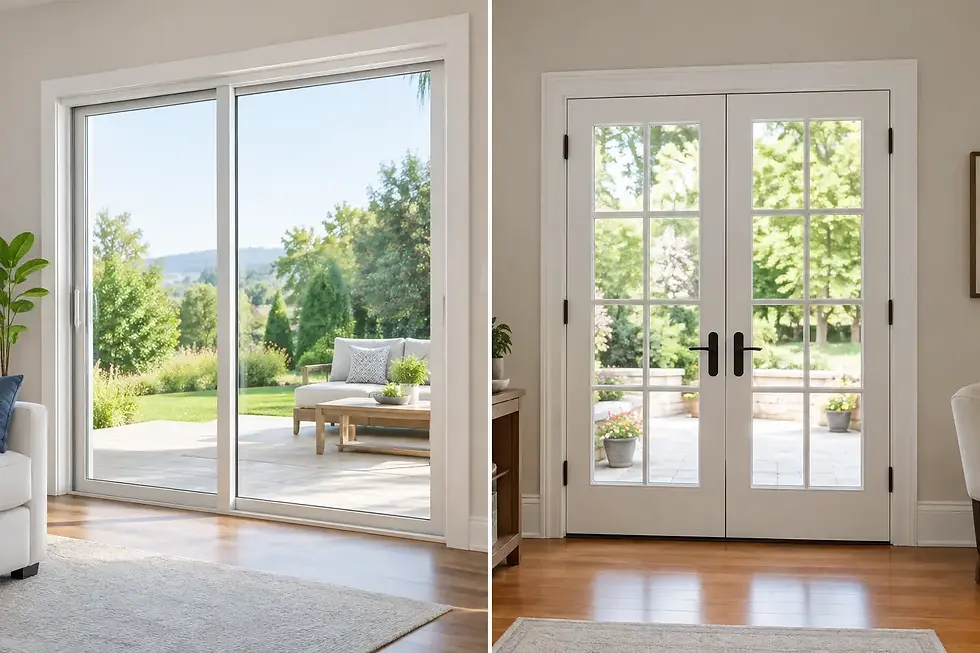
Window style changes how a room looks, but it also affects airflow, cleaning, and daily use. Double-hung windows are familiar and versatile. Sliding windows can work well in spaces where horizontal operation feels easier. Picture windows bring in light and expand the view, but they do not open. Casement windows can provide excellent ventilation and a tighter seal when closed.
The best style often depends on the room. In a living room, a larger fixed-glass option may make sense if the goal is light and openness. In a bedroom, easy operation and airflow may matter more. In hard-to-reach areas, a style that is simpler to open and clean can make a noticeable difference over time.
This is one of those decisions where it depends on how the space is actually used. A window that looks ideal on paper may feel inconvenient if it opens into a walkway, patio area, or furniture layout.
Pay close attention to energy efficiency
Energy efficiency is one of the biggest reasons homeowners replace older windows, especially in areas where long hot seasons put extra strain on cooling systems. Better glass and tighter construction can help reduce heat transfer, improve indoor comfort, and support more consistent temperatures across the home.
When comparing products, look beyond broad claims. The real question is how well the window is built to manage solar heat, insulation, and air leakage. Features like dual-pane glass, low-emissivity coatings, and insulated frames can all contribute to better performance.
Still, more features do not automatically mean a better fit. A homeowner with strong sun exposure on one side of the house may need to prioritize solar control there, while another home may benefit most from overall insulation and a tighter seal. This is why window selection should be based on the house, not just the brochure.
Glass matters more than most homeowners expect
If the frame is the structure, the glass is where much of the performance happens. The right glass package can help with indoor comfort, glare reduction, and efficiency. It can also affect how bright or shaded a room feels during the day.
Some homeowners want maximum natural light and a clear view. Others want help reducing heat gain in sunny rooms. These goals can work together, but there is often a trade-off. Glass that cuts down on heat and glare may slightly change how daylight looks indoors. The goal is not to chase a perfect spec sheet. It is to choose the option that makes your rooms feel better to live in.
For homes with heavy afternoon sun, especially in warmer parts of California, glass performance can have a bigger day-to-day impact than many people realize.
Think about appearance from both inside and outside
Replacement windows should improve curb appeal, but they should also feel right from inside the home. Homeowners often focus on the exterior and forget that they will be looking at these windows every day from their kitchen, living room, and bedrooms.
Frame color, profile thickness, and grid design all affect the final result. A thicker frame may slightly reduce glass area. A more decorative grid pattern can add character, but it may not suit every home style. Clean, simple designs tend to age well, while trend-driven choices can feel dated sooner.
This is where a practical approach helps. Pick a look that complements the home you actually have, not a style borrowed from a completely different architecture. The right windows should feel like they belong there.
Installation quality is part of the product
Even a premium window can underperform if it is installed poorly. That is why homeowners should treat installation quality as part of the buying decision, not as a separate issue. Proper measurement, fit, sealing, and finishing all affect how the window performs over time.
This is especially important with retrofit and replacement projects, where the new window has to work within the conditions of the existing opening. A skilled installer can spot issues that are easy to miss during selection, such as hidden wear around the frame, fit challenges, or details that affect long-term weather resistance.
A professional installation also helps protect the comfort and appearance you are paying for. Drafts, water intrusion, and operational problems often trace back to installation shortcuts rather than the window itself.
How to compare window options with confidence
When you are reviewing options, it helps to narrow your decision around a few core priorities. Most homeowners are balancing comfort, efficiency, appearance, and long-term reliability. Once you know which of those matters most in your home, the comparison gets easier.
Ask practical questions. How will this window perform during the hottest part of the year? How easy is it to open and clean? Does the style suit the room? Will the frame and glass package support your goals, or are you paying for features you do not really need?
You should also pay attention to how clearly the process is explained. A company that can walk you through product choices, installation details, and realistic expectations is often a better partner than one that simply pushes the quickest sale. Atlas Glass takes that homeowner-first approach because window replacement should feel informed and manageable, not confusing.
When to replace all windows versus a few
Some homeowners need a full-home upgrade. Others are better served by replacing the windows causing the biggest problems first. If only a few windows are failing, a phased project may make sense. If the windows throughout the home are similar in age and condition, replacing them together can create more consistent comfort and appearance.
There is no universal answer here. A partial project can be practical when specific rooms are uncomfortable or damaged. A whole-home project may make more sense when efficiency, style consistency, and long-term planning are the bigger goals.
The key is to make the decision based on condition and priorities, not pressure. Good replacement windows are a real investment in how your home looks and feels. They should solve problems you notice every day and add value you can appreciate over time.
Choosing replacement windows gets easier when you stop looking for the one "best" window and start looking for the best fit for your home. The right choice should make your house more comfortable, more efficient, and easier to enjoy every season.


Comments