
How to Replace Vinyl Replacement Windows
- atlasmobileglass7
- Jun 11
- 6 min read
Old vinyl windows usually tell on themselves before they fail completely. You feel a draft near the frame, notice rising energy bills, or see a window that sticks every time you try to open it. If you are searching for how to replace vinyl replacement windows, the real question is often bigger than the swap itself. Homeowners want to know whether the job is straightforward, whether the new window will actually perform better, and whether professional installation is worth it.
The short answer is that replacing a vinyl replacement window can be simple in the right opening and surprisingly complicated in the wrong one. A clean retrofit in a square, undamaged frame is one thing. A window with hidden water damage, movement in the wall, or an earlier installation done poorly is another. Knowing the difference matters because the performance of a window depends as much on the installation as the product.
How to Replace Vinyl Replacement Windows the Right Way
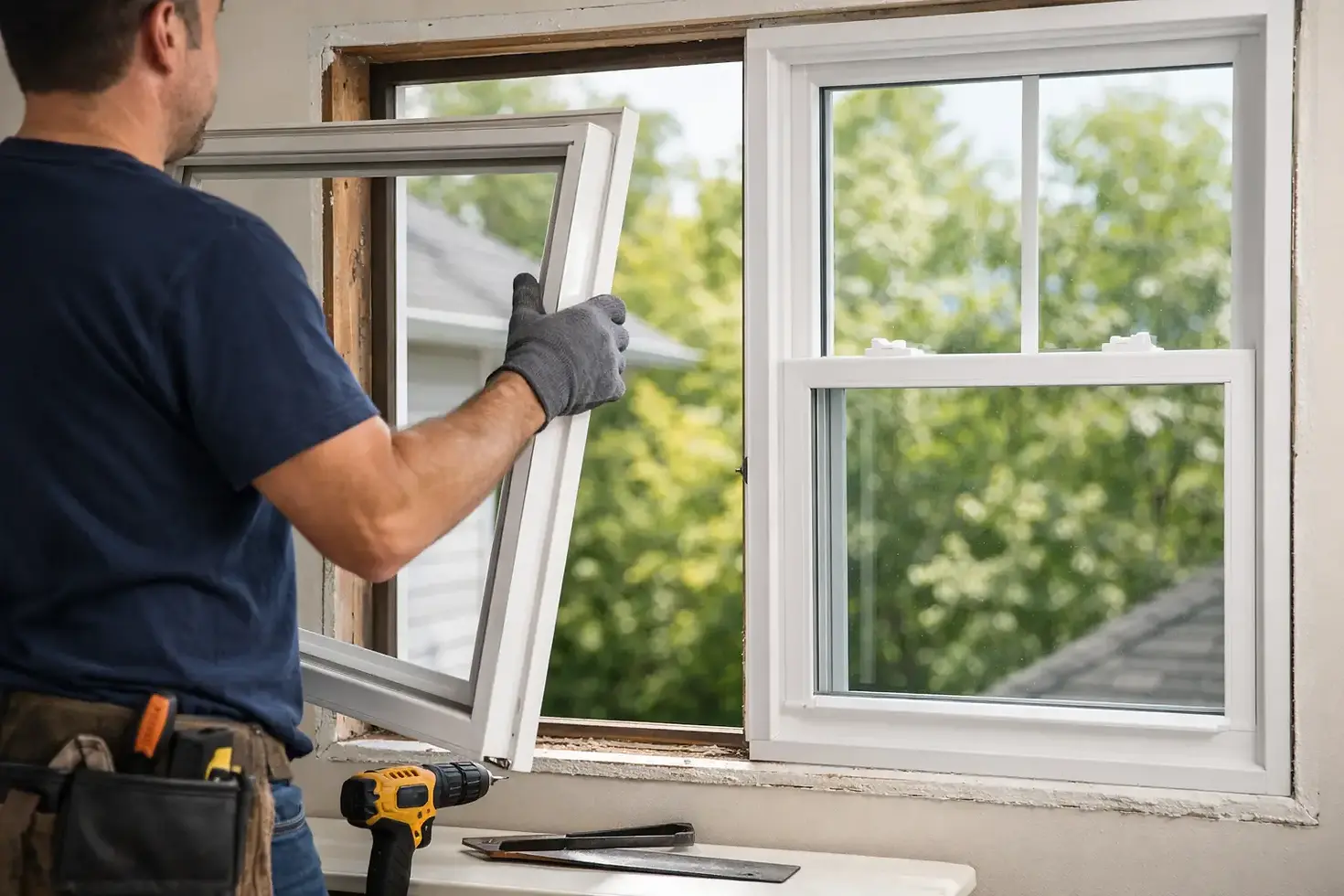
Most vinyl replacement windows are installed as retrofit units. That means the old sash and operating parts come out, while the existing frame stays in place if it is structurally sound. This approach is less invasive than a full tear-out and usually makes sense when the surrounding frame, trim, and wall are still in good condition.
The process starts with careful measurement. Width is measured in several places, and height is checked the same way. Installers also confirm that the opening is square, level, and free from rot or moisture damage. This step is where many replacement problems begin. A window ordered from a rough measurement may fit on paper but still leave uneven gaps, pressure points, or sealing issues once it is in the opening.
After measurements are confirmed, the old sashes and hardware are removed. Any stops, balance systems, and loose materials inside the frame are taken out so the opening can be cleaned and prepared. At this stage, the frame should be inspected closely. If there is deterioration in the wood around the opening, signs of water intrusion, or movement that has thrown the frame out of alignment, installing a new vinyl unit over that condition only hides the problem.
The new replacement window is then set into place, checked for level and square, and fastened according to manufacturer requirements. Shimming matters here. Too little support and the window can rack or leak. Too much pressure in the wrong spot can distort the frame and affect operation. Once secured, the perimeter is insulated and sealed, and the trim is finished so the opening looks clean and complete.
That sounds manageable, and sometimes it is. But the details are what determine whether the finished window opens smoothly, seals tightly, and lasts.
When Replacing Vinyl Windows Is More Than a Simple Swap
Homeowners are often surprised to learn that one bad window can point to a larger issue. If a vinyl replacement window has failed early, the problem may not be the vinyl itself. It may be sun exposure, poor original sizing, inadequate flashing, water intrusion, or settling in the home.
In Bakersfield, heat puts extra pressure on window performance. A replacement window that is even slightly out of square or not sealed properly can let conditioned air escape fast. That is why installation quality matters so much in hot, dry climates. A window should help your home stay more comfortable, not become another source of energy loss.
There is also the question of what kind of replacement you actually need. If the existing frame is solid, a retrofit replacement can be efficient and practical. If the frame is damaged or the opening needs correction, a more involved replacement may be the better long-term decision. This is one of those it depends situations where a quick fix can end up costing more in frustration if the underlying condition is ignored.
Signs the Existing Frame May Not Be Reusable
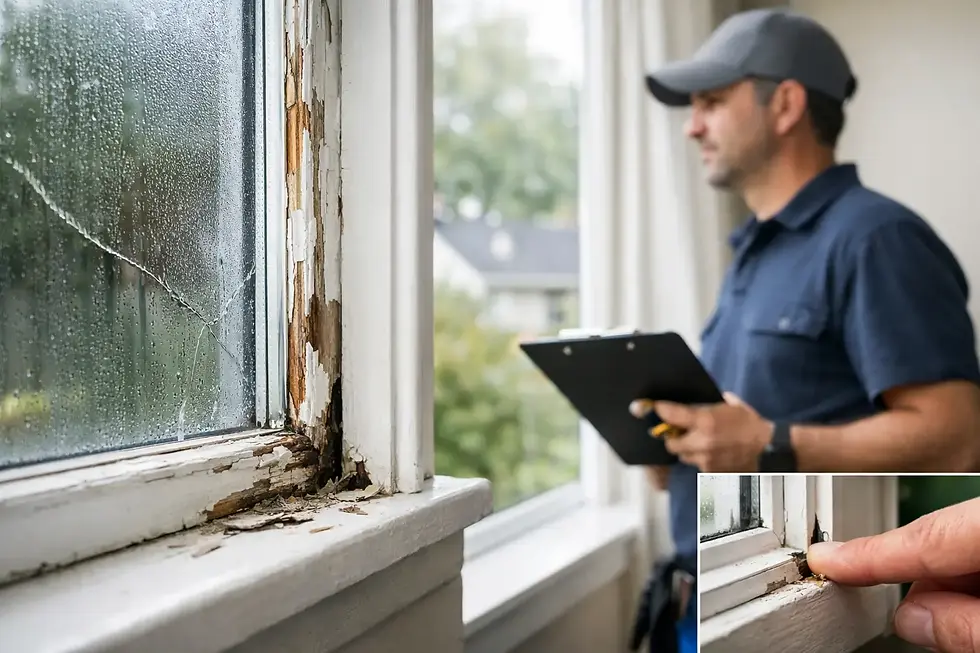
A frame that looks acceptable from the room side is not always sound. Soft spots, staining, cracked corners, gaps at the exterior, and repeated sticking can all point to hidden issues. Condensation between panes is one problem. Water getting around the unit and into the wall is a different one entirely.
If the frame is compromised, installing a new vinyl replacement insert into it may preserve the appearance for a while, but it will not correct the cause. In those cases, a more complete replacement protects the opening and gives the new window a stable base.
Why Measurements and Fit Matter So Much
A replacement window is not something you want to force into place. If the unit is too large, the frame can bow and interfere with locking and operation. If it is too small, installers may need to overcompensate with fillers and sealants, which is not ideal for appearance or performance.
Good fit affects more than looks. It influences air infiltration, water resistance, ease of operation, and even noise control. For homeowners trying to improve comfort and efficiency, this is where the value of experienced installation becomes clear.
Can You DIY Vinyl Replacement Window Installation?
Some homeowners can replace a vinyl replacement window themselves, especially if they are comfortable with finish work, careful measuring, and working with exterior sealants. If the opening is in good shape and the replacement is truly like-for-like, a DIY project may go smoothly.
Still, there are trade-offs. Window installation is less forgiving than many people expect. Small mistakes do not always show up right away. A window can appear fine on day one and start revealing issues later through drafts, difficult operation, water staining, or heat gain around the frame.
DIY also tends to make the most sense when the stakes are lower - for example, on an accessible opening with no signs of structural damage. It makes less sense when the window is large, located above the first floor, part of a home with stucco or sensitive exterior finishes, or already showing signs of moisture problems.
For many homeowners, the bigger advantage of professional installation is confidence. You are not just buying a new unit. You are getting the opening evaluated, the fit corrected if needed, and the finished result installed to perform the way it should.
What to Expect From Professional Window Replacement
A professional replacement starts before installation day. The window type, style, glass package, and measurements should be matched to your home and your goals. Some homeowners want better energy efficiency. Others care just as much about curb appeal, easier cleaning, or replacing windows that no longer open reliably.
During installation, experienced crews move quickly but do not rush the important parts. They protect the surrounding area, remove the old unit carefully, inspect the opening, and make adjustments before the new window goes in. The finished result should look clean from both inside and outside, with smooth operation and tight sealing.
This is also where a service-focused company stands apart. A good installer explains what they found, what they are doing, and whether any conditions in the opening deserve attention. That kind of communication helps homeowners feel informed rather than surprised.
Choosing the Right Replacement Window for Your Home
If you are replacing one failed vinyl window, it is worth considering whether the surrounding windows are close behind. Windows installed at the same time often age in similar ways. Replacing them in phases can be practical, but it helps to think through consistency in appearance and performance.
The right vinyl replacement window should suit the home, not just fill the hole. Frame profile, color, glass performance, and operating style all affect the final result. A well-chosen window can brighten a room, reduce hot spots near the glass, and update the look of the exterior at the same time.
That is one reason many homeowners treat replacement as an upgrade rather than a repair. The best outcome is not just getting rid of an old problem. It is making the home feel more comfortable and look better every day.
How to Know It Is Time to Replace
If your vinyl windows are drafty, hard to open, fogged between panes, or no longer sealing the way they should, replacement is worth serious consideration. If you are seeing repeated issues in multiple rooms, waiting usually does not improve the situation. It tends to mean more discomfort and higher heating or cooling demand.
For homeowners who want a straightforward process, working with a local team can make a real difference. Atlas Glass helps homeowners understand what kind of replacement makes sense for their opening, their home, and their goals, without making the process feel complicated.
A good window replacement should leave you with fewer headaches, a more comfortable home, and one less thing to work around every day. That is the standard worth aiming for.


Comments