
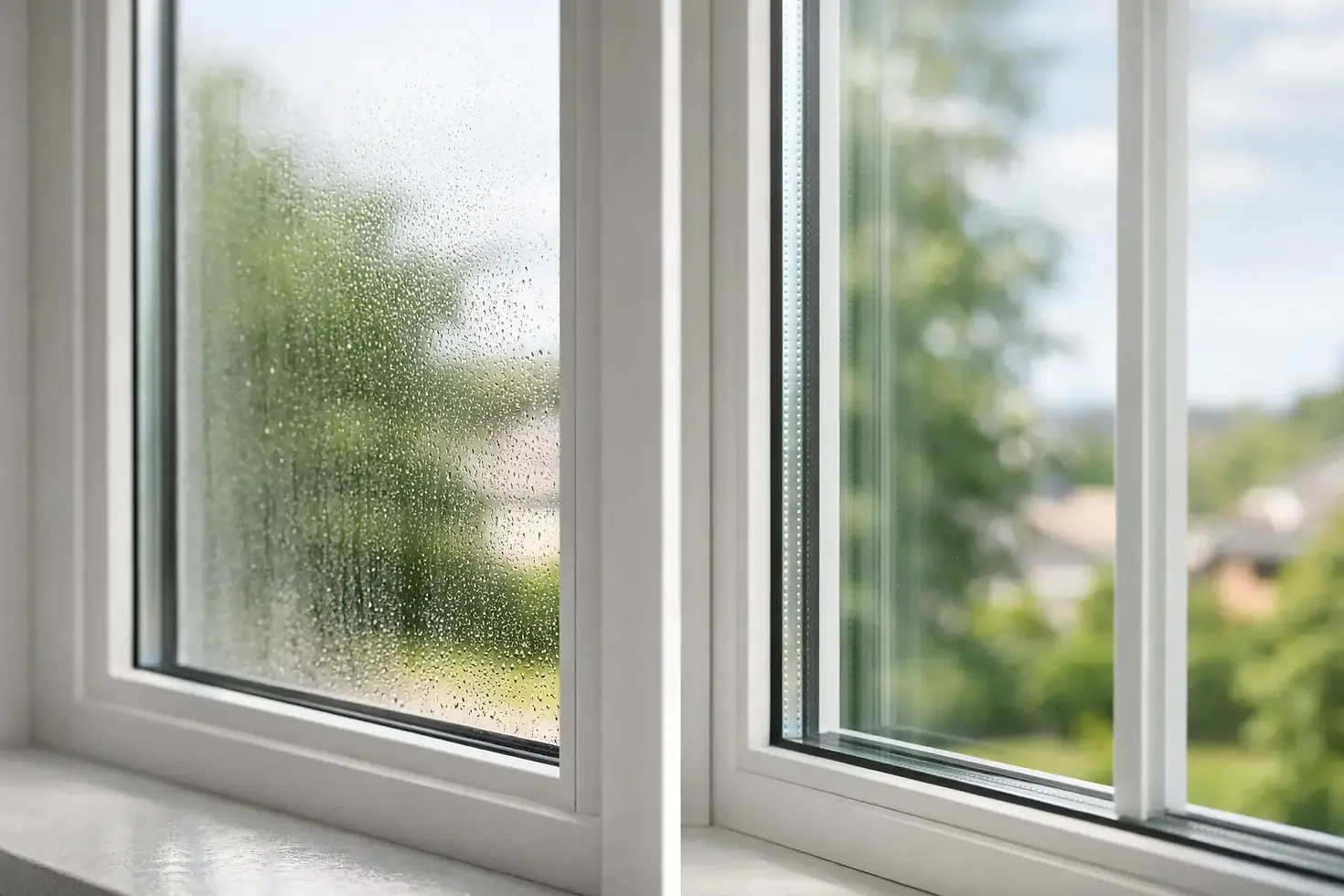
Single Pane vs Double Pane Windows
If your home feels hot near the windows in summer, chilly in winter, or louder than it should be, the glass may be doing less work than you think. When homeowners compare single pane vs double pane windows, they are usually trying to answer a practical question: should you keep what you have, repair it, or invest in an upgrade that improves comfort every day?
That question matters even more in homes with aging windows, visible wear, or drafts that never seem to go away. Windows affect indoor temperature, energy use, outside noise, and even how finished a home feels from the street. The right choice is not always about replacing everything at once. It is about understanding what each option does, where the trade-offs are, and what makes sense for your house.
Single pane vs double pane windows: the basic difference
A single pane window has one layer of glass. A double pane window has two layers of glass with a sealed space in between. That space acts as insulation and helps slow the transfer of heat and cold.
On paper, that sounds simple. In real homes, the difference can be noticeable. Single pane windows tend to let outdoor temperatures affect the interior more quickly. Double pane windows do a better job of helping your home hold a more stable indoor temperature, which often means better comfort and less strain on your HVAC system.
The frame, installation quality, and overall condition of the window still matter. A well-installed double pane window generally performs better than an older single pane unit, but a poor installation can reduce the benefit. That is why the full window system matters, not just the glass.
Where single pane windows still show up
Single pane windows are most common in older homes. In some cases, they are still in place because they have not failed completely. The glass may be intact, the window may still open and close, and the homeowner may be trying to delay a larger renovation.
There are situations where keeping single pane windows for a while can make sense. If a home has only one damaged sash or one broken piece of glass, a targeted repair may be the immediate solution. If the homeowner is planning a phased renovation, replacing the worst-performing windows first can be a practical path.
That said, single pane windows usually fall short in the areas homeowners notice most. They are weaker on insulation, less effective at reducing noise, and often associated with older frames, worn seals, and dated appearance. Even if the glass itself is not broken, the overall window may no longer be performing well.
Why double pane windows are the standard upgrade
Double pane windows are popular for a reason. They are designed to improve energy efficiency without asking homeowners to sacrifice appearance or function. For many households, the benefit shows up first as comfort. Rooms feel less drafty. Hot spots near sun-facing windows can ease. The house feels more consistent from one room to the next.
Noise reduction is another common reason homeowners move to double pane windows. They do not make a house silent, but they can help soften traffic sounds, neighborhood activity, and other everyday outdoor noise. That difference can matter in bedrooms, living rooms, and home offices.
There is also the matter of appearance and home value. Newer double pane windows often give a home a cleaner, more updated look. For homeowners thinking long term, that can support curb appeal as much as comfort.
Energy efficiency is usually the deciding factor
When people discuss single pane vs double pane windows, energy efficiency is usually the biggest point of separation. One layer of glass simply does not insulate as well as two layers with a sealed airspace between them.
In a climate like Bakersfield, where heat can be intense for long stretches, that difference can feel significant. Windows that allow too much heat transfer can make rooms harder to cool and leave your HVAC system working harder than it should. Double pane windows help create a better barrier between indoor living space and outdoor conditions.
That does not mean every double pane window performs exactly the same. Glass coatings, gas fills, frame materials, and installation quality all play a role. But as a category, double pane windows are a strong step up from single pane units when energy efficiency is the goal.
Comfort is not just about temperature
Homeowners often describe window problems in practical terms. The couch by the window is too hot in the afternoon. The bedroom feels cold before sunrise. The front room never seems to stay comfortable. These are comfort issues, but they are also signs that the windows may not be insulating well.
Double pane windows can help smooth out those extremes. That does not mean every room will suddenly feel perfect, especially if insulation or ductwork is also an issue. Still, windows play a bigger role than many homeowners expect.
Condensation can also be part of the conversation. Older windows may allow conditions that lead to fogging or moisture concerns. If a double pane seal fails, you can also see fogging between the panes, which is a different issue. The key is diagnosing whether the problem is the glass, the seal, the frame, or the age of the whole unit.
When repair makes sense and when replacement makes more sense
Not every window issue calls for a full upgrade. If the damage is isolated and the rest of the window is in solid condition, repair may be the right short-term answer. A broken pane, a cracked section of glass, or a specific operational issue can sometimes be addressed without replacing the entire unit.
But there is a point where repeated fixes stop being the smart investment. If your windows are older single pane units with drafts, worn hardware, fading appearance, and poor insulation, replacement often gives you more lasting value. Instead of solving one symptom at a time, you address the underlying performance problem.
This is especially true when several windows are showing the same age-related issues. In that case, a window replacement project is less about fixing glass and more about improving the home as a whole.
Single pane vs double pane windows for long-term value
A lot of homeowners hesitate because their current windows are still technically functioning. That is understandable. If a window opens, closes, and does not have shattered glass, it may not feel urgent.
Still, function and performance are not the same thing. A window can still operate while doing a poor job of insulating your home, controlling noise, or supporting the look of the property. Double pane windows generally offer better long-term value because they improve daily living, not just basic function.
They can also reduce the frustration that comes with older windows. Sticking frames, worn seals, and visible aging all add up over time. A well-chosen replacement can make the house feel better maintained and easier to live in.
How homeowners should make the decision
The best decision usually starts with the condition of the existing windows. If you have older single pane windows and you notice drafts, temperature swings, outside noise, or visible wear, double pane replacement is often the stronger long-term choice. If the issue is limited to one damaged area and the rest of the window system is still in good shape, a repair may be enough for now.
It also helps to think beyond the glass itself. Are you planning to stay in the home? Are you trying to improve comfort in specific rooms? Do you want a cleaner, more updated look from inside and outside? These are the questions that make the choice clearer.
For many homeowners, window replacement becomes easier once they stop thinking of it as a basic fix. It is a home improvement that can affect comfort, appearance, and energy performance every day after installation. That is why Atlas Glass approaches window upgrades as a meaningful investment in the home, not just a product swap.
If you are weighing single pane vs double pane windows, the right answer is usually the one that solves the problem you feel most often. When your windows are making your home less comfortable, less efficient, or simply more dated than it needs to be, improving them is one of the clearest ways to make the house work better for you.


Comments