

Best Windows for Hot Climates and Bakersfield Homes
A Bakersfield summer can expose every weakness in an older window. Rooms facing the afternoon sun become uncomfortable, blinds stay closed for hours, and an air conditioner works harder than it should. The best windows for hot climates are designed to limit unwanted solar heat while preserving daylight, clear views, and the appearance of your home.
Choosing windows for heat is not simply a matter of buying the thickest glass or the most expensive option. Glass coatings, insulating performance, frame construction, window placement, and installation quality all affect how a window performs. A smart replacement project considers the whole opening, not one feature in isolation.
What Makes a Window Work Well in Extreme Heat?
For homes in hot, sunny areas, the primary goal is to reduce solar heat gain. That is the heat from sunlight that passes through glass and raises indoor temperatures. A window can look great and still let in too much heat if its glass package is not suited to the climate.
The most useful number to review is the Solar Heat Gain Coefficient, often shortened to SHGC. It measures how much solar heat a window allows through. Lower SHGC ratings generally mean less heat enters the home, which is often helpful for large, sun-facing windows in Bakersfield and similar Central Valley climates.
A low SHGC is not the only rating that matters. The U-factor measures how readily heat moves through a window. Lower U-factors provide better insulation. While keeping summer heat out is the main concern for many local homeowners, a good U-factor also helps with cooler winter nights and improves year-round comfort.
Visible Transmittance, or VT, is worth considering as well. It indicates how much natural light comes through the glass. Very low solar heat gain can sometimes reduce daylight, so the right window balances shade and brightness instead of making a room feel dark.
Best Windows for Hot Climates: The Features That Matter
Low-E glass with solar control
Low-emissivity, or Low-E, glass has a thin, transparent coating that helps manage heat transfer. In a hot climate, solar-control Low-E glass is especially valuable because it reflects a portion of the sun's heat before it enters the home. The result can be a more comfortable room without relying on heavy window coverings all day.
Not every Low-E coating performs the same way. Some are designed with colder climates in mind and allow more solar warmth indoors. For local homes, ask about a glass package selected for strong sun exposure and cooling efficiency. The difference is especially noticeable on west-facing walls where late-afternoon sun can be intense.
Double-pane insulated glass
Double-pane windows use two layers of glass separated by a sealed space. This construction reduces heat transfer compared with older single-pane windows and can also improve outside-noise control. The space between the panes is commonly filled with air or an insulating gas to support better thermal performance.
Triple-pane windows can provide additional insulation, but they are not automatically the best choice for every home in a hot climate. They are heavier, and their added benefit depends on the glass coating, frame, home design, and budget. In many Bakersfield-area replacement projects, a well-selected double-pane window with solar-control Low-E glass delivers meaningful comfort improvements.
Quality vinyl frames
A frame is more than a border around the glass. It affects insulation, durability, operation, and the way a window seals against the wall. Quality vinyl retrofit windows are a popular choice for homeowners who want low maintenance, good thermal performance, and a clean finished look.
Vinyl does not conduct heat as readily as metal, which can help reduce heat transfer around the perimeter of the window. Look for well-built frames with reinforced construction, dependable weatherstripping, and drainage designed to manage moisture. A poorly made frame can compromise an otherwise excellent glass package.
Tight weatherstripping and professional installation
Even high-performing windows cannot do their job if air leaks around the sash or the frame is installed incorrectly. Failed seals, gaps, and poor flashing can allow hot air, dust, and moisture into the home. They can also make an air conditioner run longer while certain rooms remain uncomfortable.
Professional installation ensures the replacement window is measured properly, squared in the opening, sealed correctly, and tested for smooth operation. For retrofit installations, careful attention to the existing opening and exterior finish helps create a clean appearance while protecting the home from the elements. Craftsmanship matters as much as the product selection.
Choose the Right Window Style for Sun and Airflow
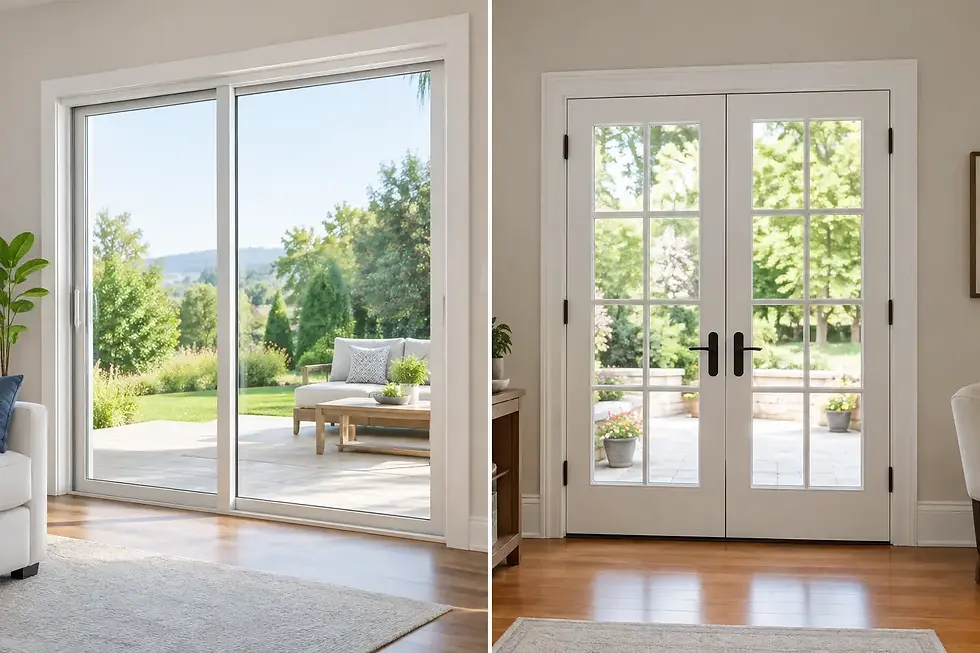
The style of window affects daily comfort, not just curb appeal. Fixed picture windows provide broad views and plenty of light, but they do not open for ventilation. They are often a strong option where a room needs daylight and a high-performance solar-control glass package can handle the sun exposure.
Sliding windows are practical for many homes because they are easy to operate and work well in spaces where an outward-swinging window would be inconvenient. Casement windows can create a tight seal when closed and offer good ventilation when open. Single-hung and double-hung windows may suit traditional home styles, though homeowners should compare their available glass and weatherstripping options carefully.
Where possible, match the style to the room's use. A bedroom may benefit from an operable window that supports fresh air during mild mornings or evenings. A large west-facing living room may benefit more from fixed or carefully placed windows with lower SHGC glass and exterior shading.
Consider Which Direction Your Windows Face
The same replacement window is not necessarily the right answer on every side of the house. West-facing windows typically receive the harshest late-day sun, while south-facing windows can receive strong sunlight for much of the day. These openings often deserve the most attention when selecting solar-control glass.
East-facing windows receive morning sun, which can still create glare and warmth but is usually less punishing than the west. North-facing windows tend to receive less direct sun and may allow more flexibility if maximizing soft natural light is a priority.
This is why a whole-home approach is useful. Rather than selecting a single window configuration for every opening, homeowners can discuss where heat is most noticeable, which rooms are rarely used in the afternoon, and where views or daylight matter most. The final choices can reflect both energy performance and how the family actually uses the home.
Signs Your Current Windows Are Losing the Battle With Heat
Older windows often show their age in ways that are easy to overlook. If one room is much hotter than the rest of the house, the window may be contributing to the problem. Fading floors or furniture near the glass, noticeable drafts, rattling frames, condensation between panes, and difficulty opening or locking windows are also worth addressing.
Single-pane glass is a common concern in older homes. It provides limited insulation and allows solar heat to move indoors more easily than modern insulated glass. Damaged seals in double-pane windows can also reduce clarity and performance, especially when moisture appears between the panes.
Replacement may make sense when windows are inefficient, difficult to operate, or no longer complement the home's appearance. If a window has isolated glass damage but the frame and surrounding system remain in good condition, repair may be the practical solution. A professional evaluation can help distinguish between a repairable issue and a replacement opportunity.
Avoid Choosing on One Rating Alone
A low SHGC is valuable in a hot climate, but the lowest possible number is not always the right choice. A homeowner who values bright interiors may prefer a glass option that admits more visible light while still reducing solar heat. A shaded window under a covered patio may not need the same configuration as a large, unshaded west-facing window.
Appearance also matters. Grid patterns, frame colors, window proportions, and sightlines affect curb appeal and the character of the home. The best replacement window should feel like an upgrade from the sidewalk as well as from the sofa.
For homeowners considering new windows in Bakersfield, the most reliable path is to start with the hottest rooms and the most exposed openings. Select a quality frame, solar-control insulated glass, and professional installation that work together. That approach turns window replacement into a lasting improvement in comfort, efficiency, and everyday enjoyment of the home.


Comments