Home Window Replacement Cost Guide
Sticker shock usually happens before the full picture does. A homeowner gets one number for a window project, another from a different company, and suddenly the whole job feels harder to judge than it should. This home window replacement cost guide is here to make that process clearer, so you can understand what drives pricing, where value comes from, and how to make a smart decision for your home.
Window replacement is one of those projects where the lowest quote is not always the best value, and the highest quote is not always the best fit. The real cost depends on the product, the installation method, the condition of the existing openings, and the performance you want from the finished result. When you look at those factors together, the numbers start to make more sense.
What affects home window replacement cost?
The biggest driver is usually the type of window being installed. A standard vinyl retrofit window costs differently than a larger picture window, a sliding unit, or a specialty shape that has to be built for a specific opening. Size matters, but so does complexity. A simple replacement in a common size is easier to manufacture and install than a custom window with upgraded glass and interior trim work.
Material also plays a major role. Vinyl remains a popular choice because it offers strong energy performance, low maintenance, and a clean look at a practical price point. For many homeowners, that balance makes sense. Other materials may offer a different appearance or structural feel, but they can raise the overall project cost and change the maintenance needs over time.
Glass package upgrades can shift pricing more than many people expect. Dual-pane glass is common, but low-E coatings, gas fills, and tinted or tempered options all affect the final number. These upgrades are not just add-ons for the sake of it. In a hot climate, better-performing glass can improve comfort, reduce heat gain, and help your HVAC system work less. That can make a higher upfront investment more worthwhile.
Labor is another major part of the total. Good installation takes time, care, and experience. If the existing frame is out of square, if there is hidden damage, or if the opening needs additional prep, labor costs increase because the work itself becomes more involved. That is not a bad sign. In many cases, it means the installer is addressing the real condition of the home instead of covering over problems.
Retrofit vs. full replacement
One of the most important parts of any home window replacement cost guide is understanding the difference between retrofit installation and full replacement. These are not interchangeable options, and the price difference reflects the amount of work involved.
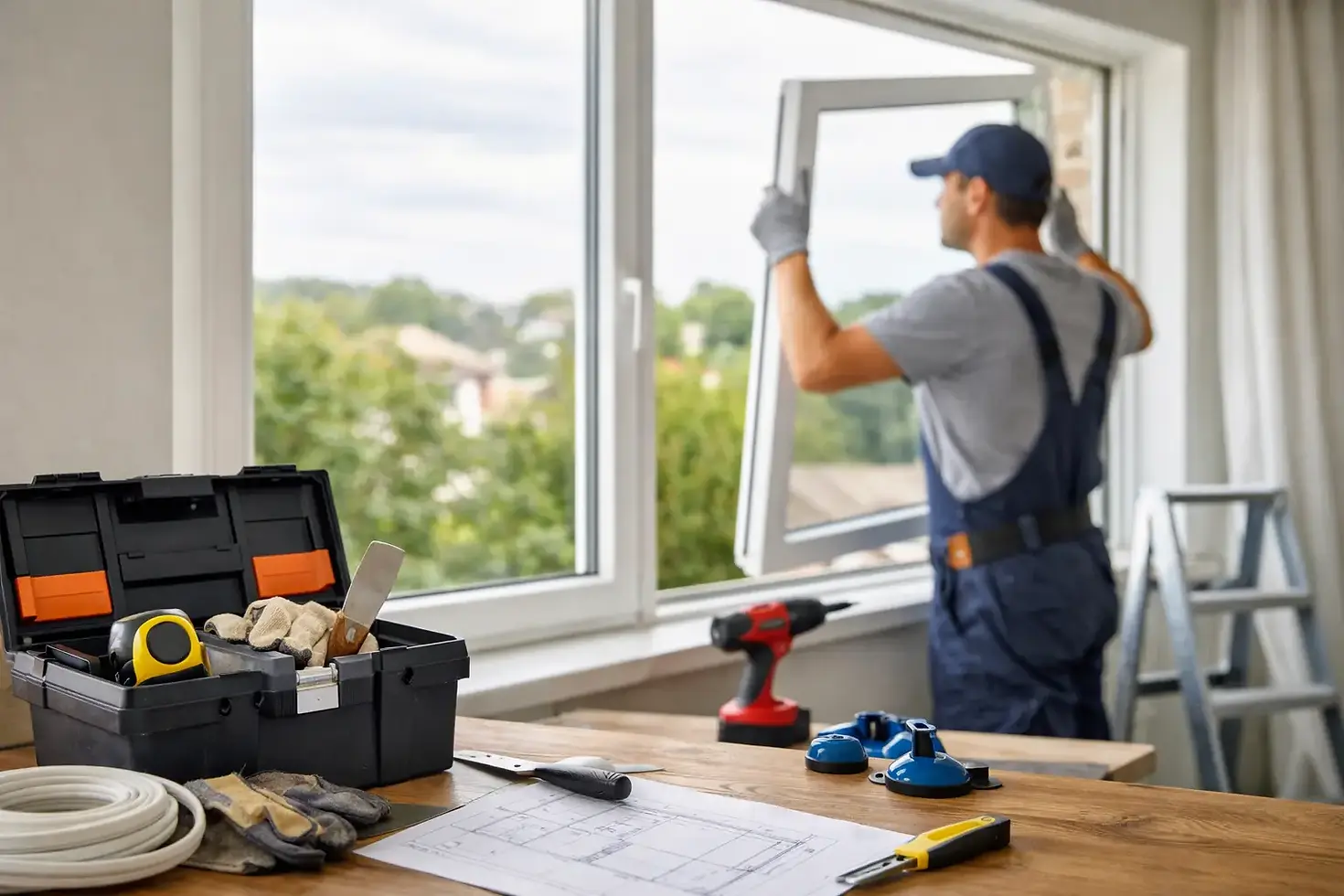
A retrofit window is installed into the existing frame when that frame is still in good condition. This approach is often more efficient, less disruptive, and more budget-friendly. It works well when the goal is to improve energy efficiency, update appearance, and replace aging windows without rebuilding the entire opening.
A full replacement goes deeper. The old window and frame are removed, and the opening is rebuilt or prepared for a completely new unit. This may be necessary if there is water damage, structural wear, rot, or major fit issues. It can also make sense during broader remodeling work. Full replacement often costs more because it involves more labor, more materials, and sometimes additional finish work inside or outside the home.
Neither option is automatically better. It depends on the condition of the windows you have now and what you want the project to accomplish.
Why estimates vary so much
Homeowners are often surprised by how different estimates can look from one another. That usually happens because they are not all quoting the same level of product or the same scope of work.
One proposal may include basic glass, minimal trim, and a straightforward install. Another may include upgraded energy-efficient glass, disposal of old materials, exterior finishing, interior touch-up work, and a stronger labor warranty. On paper, both are window replacement quotes. In practice, they may represent two very different outcomes.
This is why details matter. If you are comparing proposals, look at what is actually being installed, how the installation will be handled, and whether the company is planning for the condition of your home as it exists today. A lower price can be attractive, but if key parts of the job are missing or unclear, it may not stay low for long.
The cost factors homeowners can control
Not every part of a window project is fixed. Some cost decisions are in your hands.
The number of windows being replaced is an obvious one. Replacing all windows at once requires a larger investment upfront, but it can create a more consistent look and may be more efficient than doing the project in phases. On the other hand, if only a few windows are failing, a phased approach may be the better fit for your budget.
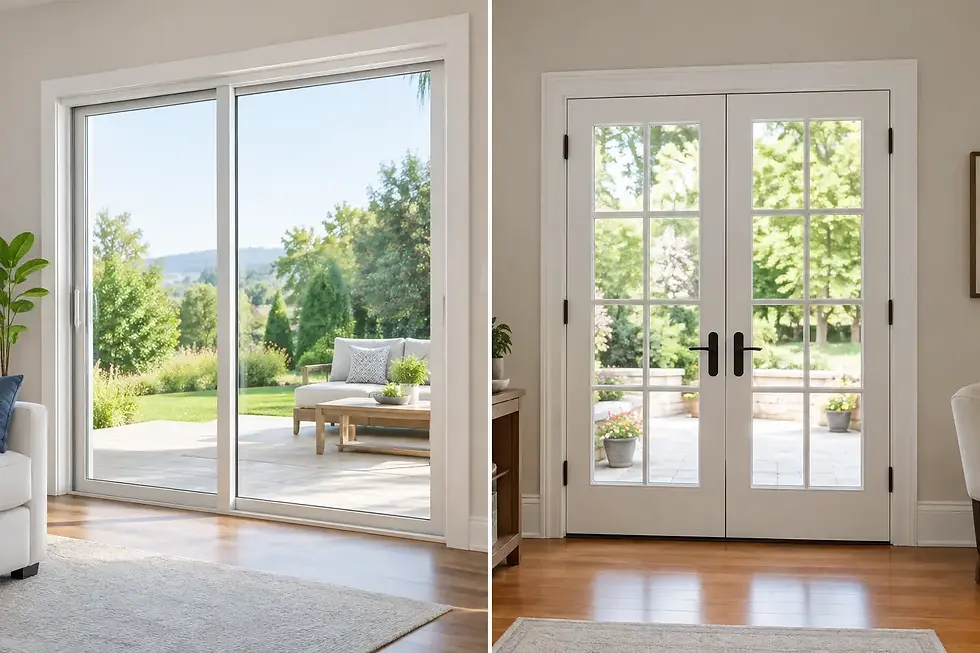
Window style matters too. Choosing a specialty shape or a large custom unit can raise cost quickly. If your goal is practical performance and a clean update, standard styles often offer the best value.
Performance upgrades should be selected with purpose. Better glass and energy-efficient features can be worth it, especially in areas with intense sun and long cooling seasons. But not every room needs the same level of upgrade. Bedrooms, west-facing rooms, and large sun-exposed openings may deserve more attention than less demanding spaces.
Timing can also affect how manageable the project feels. Some homeowners wait until several windows are failing at once, which can create urgency and reduce flexibility. Planning ahead gives you more room to evaluate options, ask questions, and choose the right solution instead of the fastest one.
Home window replacement cost guide for long-term value
The best way to think about cost is not as a one-time number, but as part of a longer ownership experience. New windows do more than change how a house looks from the street. They can reduce drafts, improve indoor comfort, support better energy efficiency, and make rooms feel quieter and more finished.
That matters because old windows tend to create ongoing costs of their own. You may be paying more to cool your home, living with uncomfortable hot spots near the glass, or dealing with frames and hardware that no longer work smoothly. Over time, those frustrations add up.
A well-planned replacement project can also improve confidence in the home itself. Windows that open properly, seal well, and look updated change how the whole property feels. For many homeowners, that combination of comfort, curb appeal, and function is what makes the project feel worthwhile.
Questions worth asking before you commit
A good estimate should leave you with fewer questions, not more. Ask what type of installation is recommended and why. Ask whether the quote includes disposal, trim, glass upgrades, and any needed prep work. Ask what happens if hidden damage is found once the old window is removed.
You should also ask about product quality and workmanship. The right window still depends on the right installation. Even a strong product can underperform if it is not measured carefully, installed correctly, and sealed the way it should be.
If financing is part of your decision, bring that up early. For some households, financing makes it possible to choose the better long-term option instead of settling for the quickest short-term fix.
When replacement makes more sense than waiting
Some windows clearly need attention. Broken glass, drafts, sticking sashes, moisture between panes, and visible frame wear are all signs that the window may be past its useful life. In those cases, delaying replacement can lead to more discomfort and, in some situations, more damage around the opening.
There are also less obvious signs. If one room is consistently hotter than the rest of the house, if outside noise seems more noticeable than it used to, or if your windows make the home look dated even after other updates, replacement may be worth considering sooner rather than later.
For homeowners in Bakersfield and nearby communities, energy performance often deserves special attention. Strong sun exposure and long warm seasons can make underperforming windows harder to ignore. Choosing the right replacement can improve comfort in a way you notice every day, not just on your utility bill.
A window project does not need to feel like a guessing game. The right approach is to look past the first number, understand what shapes the cost, and choose a solution that fits your home for the long run. When the product, installation, and goals all line up, the investment feels a lot easier to trust.


Comments