
How to Upgrade Old House Windows the Right Way
A window can look fine from the driveway and still make a room uncomfortable every afternoon. If certain rooms in your home feel hot, noisy, drafty, or difficult to cool, learning how to upgrade old house windows can help you make a lasting improvement instead of another temporary fix.
For Bakersfield homeowners, window upgrades are about more than changing the look of a house. The right replacement windows can reduce heat transfer, make rooms more comfortable, improve operation and security, and give an older exterior a cleaner, more finished appearance. The key is choosing an upgrade that fits the condition of your home, the way you use each room, and the demands of the local climate.
Start With What Your Existing Windows Are Telling You
Old windows usually give clear warning signs before they fail completely. You may notice a draft near the frame, condensation between panes, fading furniture near sunny windows, or a window that sticks whenever you try to open it. In some homes, the glass is intact but the seals, hardware, or frame have reached the end of their useful life.
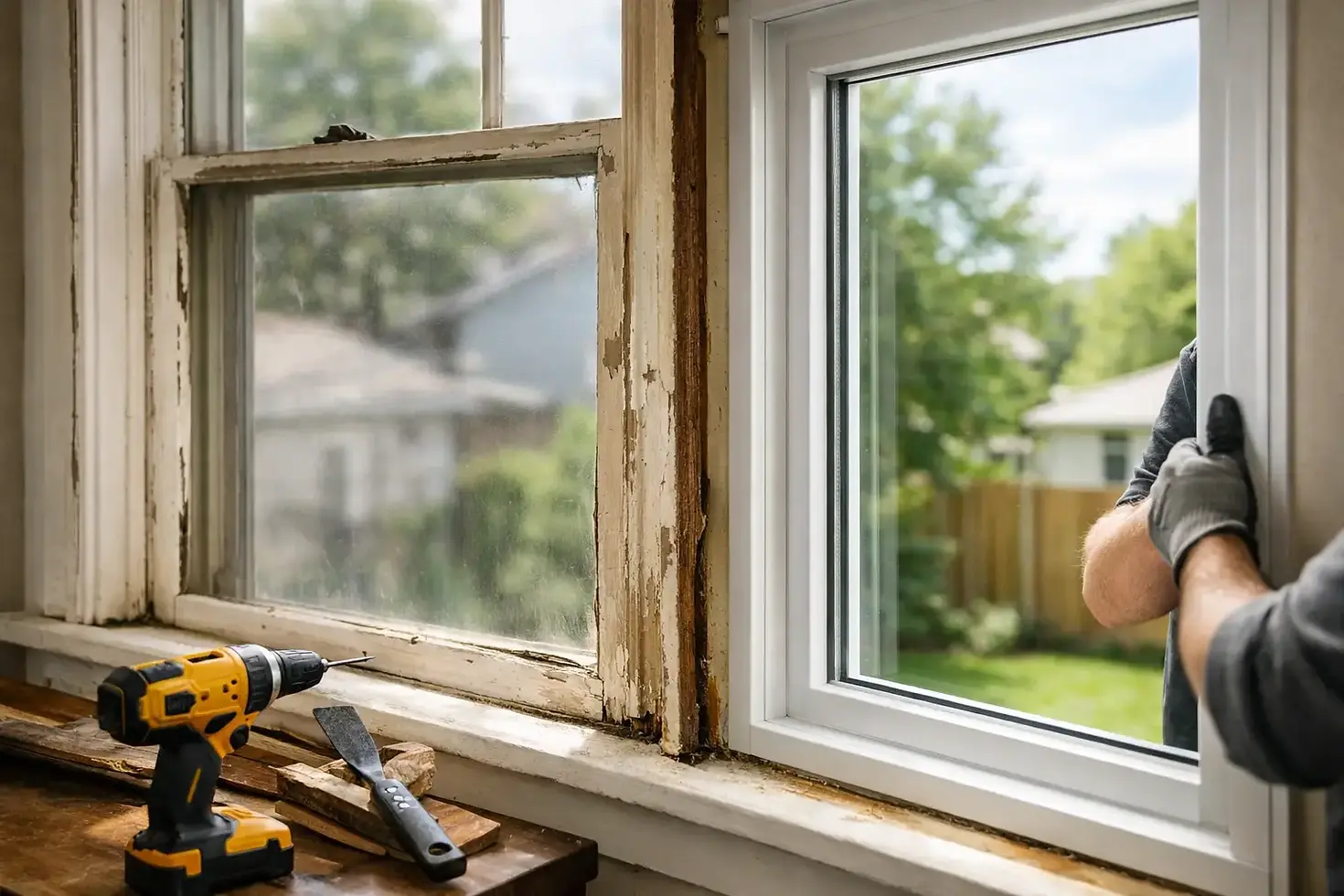
Look closely at both the window and the surrounding opening. Wood rot, soft drywall, water staining, cracked caulking, and visible gaps can point to moisture intrusion. Fogging between two panes of glass generally means the insulated glass seal has failed. A single broken pane may be repairable, but multiple failing windows or persistent comfort issues often make replacement the more practical long-term decision.
It also helps to pay attention to your daily routine. If you keep blinds closed because the sun makes a room unbearable, avoid opening a window because it is hard to operate, or turn up the television to compete with street noise, those are useful clues when selecting new windows.
How to Upgrade Old House Windows With a Clear Plan
A successful window project begins with priorities, not just a frame color. Some homeowners want better energy performance. Others need to replace damaged units, refresh a dated exterior, or improve ventilation in rooms that feel stale. Often, the best project addresses several of these goals at once.
Start by deciding whether you need targeted replacement or a whole-home approach. Replacing the worst windows first can make sense when a few units are damaged or leaking. Replacing windows throughout the home may create a more consistent appearance and performance level, especially when many windows are the same age and style.
Next, consider how each window should function. A bedroom window may need easy egress and ventilation. A kitchen window over a counter should be simple to open and clean. Large living room windows may benefit most from glass designed to manage intense sun exposure while preserving natural light. There is no single best window for every opening.
Choose a Window Style That Works for the Room
Window style affects appearance, airflow, operation, and maintenance. Sliding windows are a familiar, practical choice for wider openings and areas where an outward-swinging sash would be inconvenient. Single-hung or double-hung windows can suit more traditional homes, while casement windows offer a tight seal and crank operation for locations that are harder to reach.
Picture windows are a strong option where the goal is a clear view and abundant daylight, but they do not open for ventilation. Many homeowners pair a fixed picture window with operable windows on one or both sides. This can create a more open look without giving up airflow.
Keep the architectural style of the home in mind. A window upgrade should feel intentional, not out of place. Clean-lined vinyl retrofit windows can complement many Bakersfield homes while delivering a noticeable improvement over worn aluminum or older single-pane windows.
Focus on Glass Performance, Not Just the Frame
The glass package often has the greatest effect on comfort. Older single-pane windows allow heat to move through the opening easily. Modern insulated glass uses two panes with a sealed space between them, helping limit heat transfer and reduce outside noise.
Low-emissivity, or Low-E, coatings are especially valuable in sunny climates. They are designed to manage solar heat while allowing useful daylight into the room. The right coating depends on the window's direction and the amount of direct sun it receives. West- and south-facing windows, for example, may need stronger solar control than shaded openings.
You do not have to make every window identical. A thoughtful installation plan may use different glass options based on exposure and room use. What matters is that the selections work together and are explained clearly before installation begins.
Retrofit Replacement or Full Frame Replacement?
This is one of the most important decisions in a window project. Retrofit replacement windows are installed within the existing window frame. When the original frame is sound and properly sized, this approach can provide an efficient upgrade with less disruption to the surrounding wall and exterior finish.
Full frame replacement removes the entire existing window, including the old frame. It may be the better choice when there is rot, major water damage, structural concerns, or a need to change the size or configuration of the opening. Because more of the opening is exposed, full frame replacement can also reveal issues that were hidden behind old trim.
Neither option is automatically better. Retrofit installation is often an excellent solution for homes with solid existing frames, while full frame work is necessary when the opening itself has deteriorated. A professional assessment should include the condition of the frame, stucco or siding, interior trim, and any signs of past leaks.
Installation Quality Protects the Upgrade
Even a quality window can underperform when it is installed poorly. Accurate measurement, careful preparation, proper sealing, and secure fastening all affect how the finished window looks and performs. A window that is out of square may be difficult to operate. Gaps around the frame can allow drafts, dust, water, and noise to enter.
Professional installation also helps preserve the appearance of the home. The goal is not simply to place a new window in an opening. The new unit should sit correctly, operate smoothly, seal properly, and have clean, finished lines inside and out.
Before work starts, ask what the installation process will involve in your home. A dependable contractor should explain how openings are measured, how nearby surfaces are protected, how old windows are removed, and what the finished trim and sealant work will look like. Clear expectations make the project easier to manage.
Small Details That Make a Big Difference
The finish details around a replacement window deserve attention. Frame color, grids, hardware, screens, and trim all influence the final result. White frames remain a versatile choice for many homes, while darker exterior finishes can add contrast and a more updated look when they suit the home's design.
Screens should fit securely and be easy to remove for cleaning. Hardware should feel solid and allow the window to lock without force. If security is a priority, discuss locking features and the condition of any nearby doors at the same time. A window upgrade is a good opportunity to improve how your home functions day to day, not just how it photographs.
Do not overlook maintenance, either. Vinyl windows are popular because they resist peeling and do not require painting. However, every window material and style has care requirements. Choosing an option that matches the amount of maintenance you want to handle will help protect the investment over time.
Prepare Your Home for Installation Day
Once your windows are selected, a little preparation can make installation day smoother. Move furniture away from the work areas, remove curtains or blinds if requested, and clear fragile items from nearby shelves. Contractors need room to safely access the interior and exterior of each opening.
Plan for some normal construction noise and temporary disruption, especially if several windows are being replaced. If you have pets, arrange a secure space away from open work areas. Good installers will respect your home, but preparing ahead gives everyone more room to work efficiently.
After installation, test each window before the crew leaves. Open and close it, engage the locks, inspect the glass, and ask about cleaning and operation. This is the right time to address questions about screens, hardware, or care instructions.
Make the Upgrade Serve Your Home for Years
The best window upgrade is not necessarily the one with the most features. It is the one that solves the problems you are experiencing while fitting your home, your preferences, and the climate where you live. For homeowners in Bakersfield and surrounding communities, that often means prioritizing solar control, dependable operation, and installation workmanship that holds up through long, hot seasons.
Atlas Glass helps homeowners evaluate replacement options with a practical focus on comfort, appearance, and lasting performance. Whether you are addressing a few troublesome windows or planning a larger renovation, start with an honest evaluation of what your existing windows need. A well-chosen upgrade can make the first hot afternoon after installation feel noticeably different.


Comments